Sunframe-Logo

Beyond Construction Volume: The Future of Façade Industry Growth

Introduction

For decades, growth in the façade industry has been closely tied to construction volume.

More buildings meant more façades. More floor area meant more curtain walls, windows, doors, and façade materials to manufacture and install.

That relationship will remain important. But as construction markets mature and growth becomes less predictable in some regions, construction volume alone may no longer tell the full story of where future façade demand will come from.

This raises a broader question:

If the industry cannot rely only on building more, where will its next growth come from?

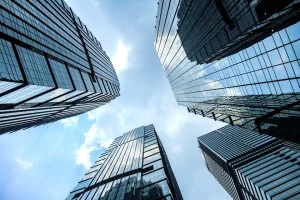
Façade Industry Growth

1. New Construction Will Remain the Foundation

New construction will continue to form a major source of façade demand in many markets.

Population growth, urbanization, industrial development, infrastructure investment, and expanding commercial activity will continue to drive demand for new buildings. Housing, offices, hotels, healthcare facilities, educational buildings, and other developments all create opportunities for new façade systems.

For rapidly growing markets, the relationship remains straightforward:

More buildings → More façade area → More demand for façade systems

This makes new construction an important foundation for the industry’s future.

At the same time, construction volume represents only one part of the market. The next question is what happens when the building already exists.

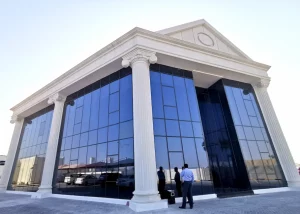
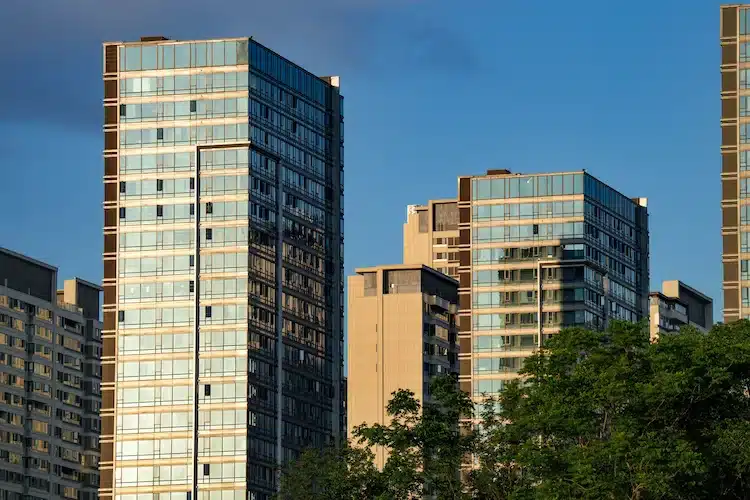
Façade Market Trends - New Construction

2. Existing Buildings Create a Different Kind of Demand

A building can continue to generate façade demand long after its original construction is complete.

The nature of that demand is different from new construction. A new project creates demand because a building needs a façade for the first time. An existing building creates demand because its façade, performance, or use may need to change over time.

Façade systems are exposed to weather, temperature changes, building movement, and long-term use. At the same time, expectations for energy performance, comfort, safety, and building functionality continue to evolve.

This means an existing building may require investment even when no additional floor area is being created.

The International Energy Agency estimates that in advanced economies, around 80% of the building stock expected to exist in 2050 has already been built. For the façade industry, this makes the existing building stock an important source of potential demand alongside new construction.

The resulting projects can range from targeted repairs and component replacement to broader façade renovation and over-cladding, depending on the condition and future requirements of the building.

The key difference is simple:

New construction creates demand for a new façade. Existing buildings create demand for keeping, improving, or adapting the façade they already have.

That creates a second source of façade demand, one that is connected not to adding more buildings, but to extending the useful life and performance of the buildings already in place.

3. Retrofit Is Often Driven by Specific Investment Priorities

The presence of an aging building stock creates potential demand, but the form of investment depends on the building, its owner, and the purpose of the project.

For many owners, façade investment is closely connected to a specific business or building need.

A project may be driven by:

  • Improving energy performance
  • Resolving persistent water or air infiltration
  • Replacing deteriorated façade components
  • Meeting updated fire or building requirements
  • Improving occupant comfort
  • Preparing a building for a new use
  • Protecting or increasing property value

The scale of the work can therefore vary significantly.

Some buildings may require a comprehensive façade renovation. Others may benefit more from targeted improvements to glazing, insulation, seals, shading, or specific façade components.

This creates a more selective investment environment, particularly when financing conditions are tight and owners are evaluating projects carefully.

For the façade industry, the opportunity is therefore not limited to large-scale façade replacement.

It can also come from identifying specific building problems and developing solutions that address the priorities behind the investment.

The opportunity in retrofit is not simply to upgrade more façades. It is to solve the problems that make façade investment worthwhile.

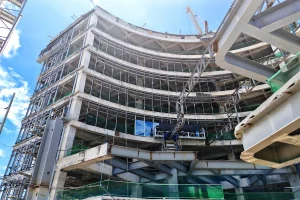
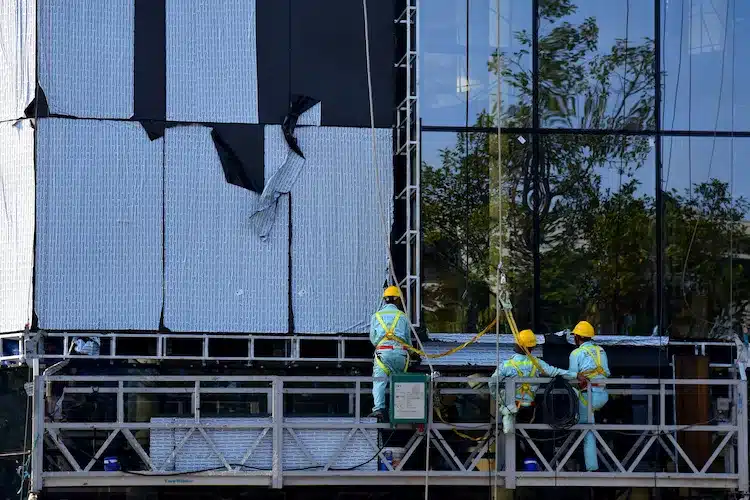
Façade Retrofit

4. Economic Conditions Shape What Gets Prioritized

A building may have clear façade needs, but the timing and scale of investment depend heavily on the economic environment.

When financing is accessible and property markets are strong, owners have more room to invest in broader renovation programs. When capital is expensive or returns are uncertain, projects face greater scrutiny and investment tends to focus on the most justified priorities.

This can influence whether a façade project moves forward now, later, or in a smaller scope.

For the façade industry, this creates an important distinction:

A building need creates potential demand. Investment capacity turns that demand into a project.

5. Reconstruction Creates a Different Project Cycle

Reconstruction after conflict or disaster can create substantial long-term demand for buildings and infrastructure. But unlike conventional development, reconstruction usually progresses through different stages as immediate needs are addressed first.

Ukraine illustrates the potential scale. In February 2026, a joint assessment by the Government of Ukraine, the World Bank Group, the European Commission, and the United Nations estimated the country’s recovery and reconstruction needs at almost $588 billion over the next decade. The needs span housing, transport, energy, healthcare, commerce, and public facilities.

For the façade industry, the key point is not simply the size of the reconstruction market, but when different types of buildings enter the rebuilding process.

The sequence may broadly move from:

Essential Recovery → Housing & Public Facilities → Commercial Reconstruction → Building Upgrades

This means façade opportunities can emerge at different stages rather than all at once.

Early reconstruction may focus on restoring basic shelter and essential services. As economic activity resumes, commercial buildings, offices, hotels, and other facilities can become part of the rebuilding cycle. Later, owners may begin investing in façade improvements, performance upgrades, and longer-term modernization.

For façade companies, this makes reconstruction timing and sector priorities important factors when evaluating a market.

A large reconstruction figure can indicate significant long-term potential, but the more useful question is:

Which buildings are being rebuilt now, and which ones will enter the investment cycle next?

6. Growth Can Come From Higher Value

Façade growth can also come from increasing the value of each project rather than simply increasing façade area.

Whether a façade is being newly constructed or renovated, higher performance requirements, greater engineering complexity, and new façade functions can increase the value delivered within the same area.

Consider two projects with the same façade area. One may use a standard system with relatively straightforward requirements. Another may involve higher-performance glazing, complex geometry, tighter tolerances, testing, or more demanding interfaces.

Newer façade solutions can also introduce functions beyond the conventional building envelope. BIPV glass façades, for example, can integrate energy generation into the building envelope, while luminous façades can combine façade design with architectural lighting and building identity.

The façade area may remain the same. The technical scope, functionality, and engineering input can be very different.

Higher performance, greater complexity, and additional façade functions can increase project value without increasing façade area.

For façade companies, installation volume is therefore only one measure of market opportunity. The value created within each project matters as well.

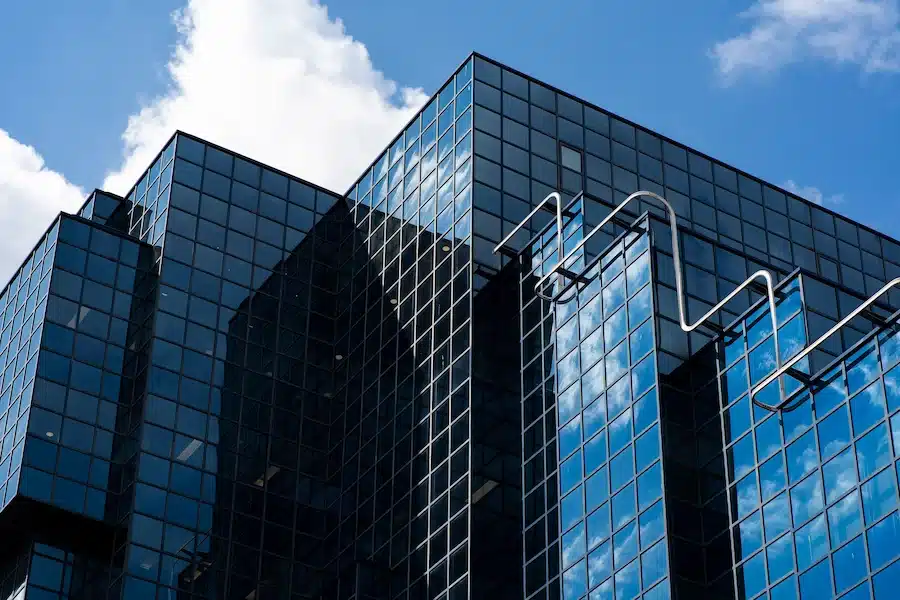
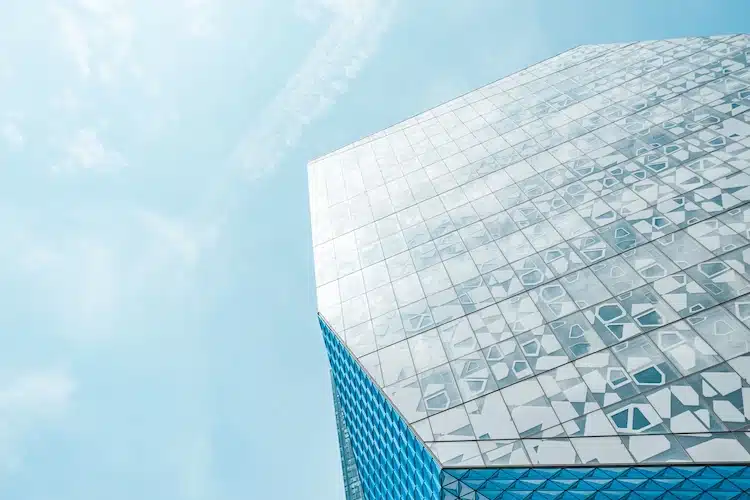
Façade Industry Trends - Growth Can Come From Higher Value

7. What This Means for Façade Companies

The changing sources of façade demand require a broader approach to market development.

New construction will remain important, but construction volume alone is no longer enough to evaluate future opportunity.

Façade companies may need to look at three things:

Where is investment growing?

What is driving that investment?

Where can we create greater value?

These questions shift the focus from construction volume to the broader flow of façade investment.

The opportunity is not simply where more façades will be built, but where more value is being created around the building envelope.

Conclusion: Beyond Building More

The façade industry will continue to grow through new construction. But construction volume alone does not tell the full story.

Future growth will increasingly depend on where façade investment is going, what is driving it, and how much value the façade can deliver.

The future of façade growth may be measured not only in square meters, but also in investment, performance, and value.

Work With SunFrame on Your Next Facade Project

If you are planning a residential, commercial, or infrastructure facade project and require curtain wall engineering, system development, or installation support, SunFrame can assist from early design coordination to project execution — helping ensure reliable, well-engineered facade performance throughout the building lifecycle.

Leave a Reply

Your email address will not be published. Required fields are marked *

This site uses Akismet to reduce spam. Learn how your comment data is processed.

Other Posts

Contact Us