
Sunframe-Logo

Façade Opening Window Risk: The Uncalculated Condition Problem

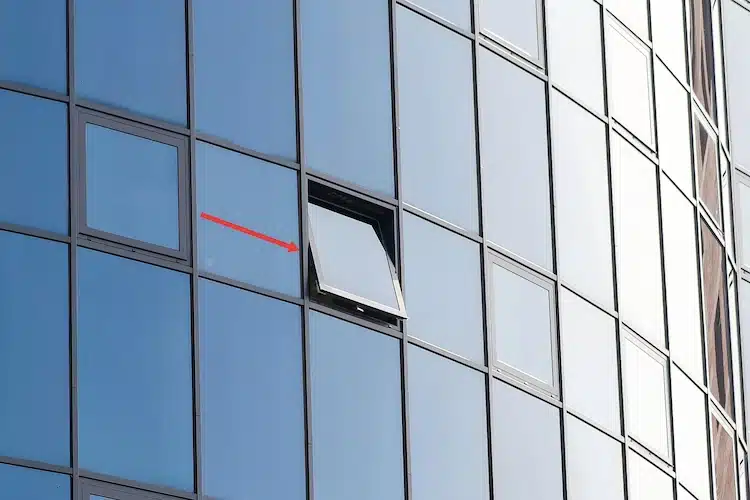
Façade opening windows are rarely the primary focus of structural design, yet they are often one of the most frequent sources of system failure in real façade projects.

Façade Opening Window Risk

1. A Key Fact Often Overlooked in the Industry

In most façade projects, the design process is well structured:

  • Wind load calculations
  • Structural verification
  • Material selection

Everything appears to be under control.

However, real failures continue to occur, especially:

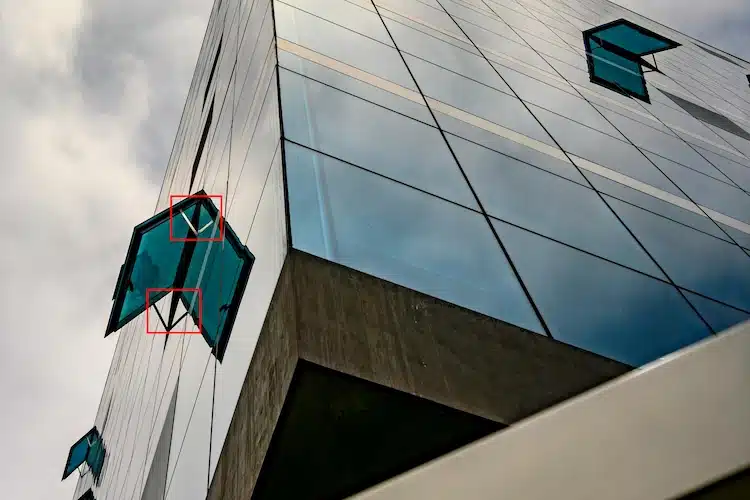
 Opening window detachment, hardware failure, and damage under extreme weather conditions

This leads to a fundamental question:

Many façade opening window systems are not incorrectly designed. They are not fully designed from the beginning.

This phenomenon can be defined as the Uncalculated Condition Problem in Façade Systems.

It refers to a design framework that only covers the closed condition, while ignoring real operational states.

2. The Industry Blind Spot: Incorrect Design Basis

Most façade design methods share one assumption:

All calculations are based on the closed condition

In real operation:

  • Windows are opened during use
  • Wind conditions change dynamically
  • Structural components experience variable loading

This creates a critical gap in design coverage.

The open condition is often excluded from the structural analysis process.

This represents a typical case of the Uncalculated Condition Risk Mechanism.

Façade Uncalculated Condition

3. Why the Open Condition Becomes the Peak Risk State

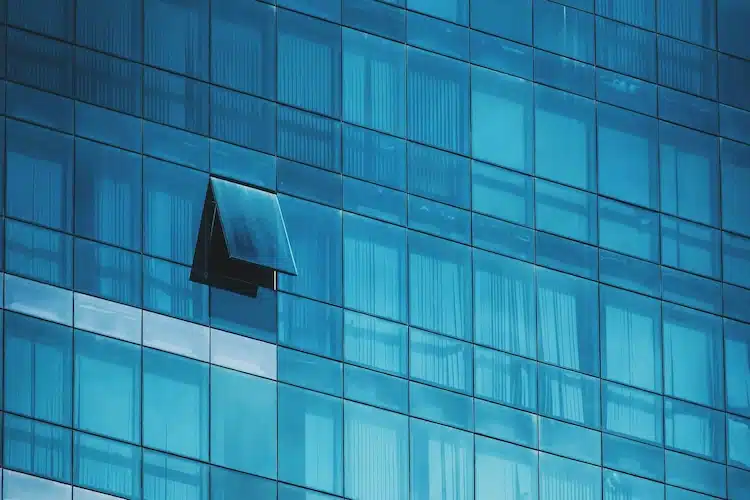
When an opening window is opened, its structural behavior changes fundamentally.

3.1 Load Path Changes from System to Local

Closed state:
Multi-point locking and frame share load transfer

Open state:
Loads are carried mainly by hinges, stays, and support arms

 Structural stiffness decreases significantly

3.2 Wind Load Becomes Dynamic Impact

In open conditions:

Shape coefficient can reach up to 2.0

Wind pressure behaves as impact loading

 Actual forces exceed design assumptions

3.3 Lever Effect Amplifies Stress

As the opening angle increases:

Lever arm becomes longer

Hardware stress increases significantly

 Small loads may lead to failure

3.4 Fatigue Effects Are Often Ignored

Real conditions include:

Gust wind loading

Repeated opening cycles

Progressive loosening of connections

Many failures develop gradually rather than occurring instantly

Façade Interface Engineering

4. Main Risk Source: Interfaces, Not Components

The common engineering approach focuses on:

  • Stronger glass
  • Thicker aluminum profiles
  • Upgraded hardware systems

However, field evidence shows:

Façade failures rarely originate from individual components. They occur at system interfaces.

In opening window systems, key interfaces include:

  • Sash ↔ frame
  • Hardware ↔ aluminum profile
  • Glass ↔ sealant ↔ support bracket
  • Opening system ↔ primary structure

Any uncertainty at these interfaces is amplified into system-level risk

5. Limitations of Current Design Methodologies

Current façade design methods are mainly:

❌ Component-based

Each element is checked independently

❌ Static-based

Dynamic effects and fatigue are not considered

❌ Closed-condition-based

Real operational conditions are not fully covered

These limitations lead to incomplete safety evaluation.

Façade Opening Window Design

6. A Required Shift in Design Logic

To properly address opening window safety, a systematic shift is required:

6.1 From Single Condition to Full Condition Design

Both open and closed states must be analyzed.

Operating wind limits should be clearly defined.

6.2 From Components to Interface Engineering

Design focus should shift to how forces are transferred between systems.

6.3 From Experience-Based Selection to Load-Driven Design

  • Hardware capacity verification
  • Screw connection strength analysis
  • Profile stress and deformation checks

6.4 From Design Completion to Lifecycle Control

Fabrication accuracy, installation tolerances, and maintenance conditions all have a direct impact on system safety performance.

7. Conclusion

Opening window systems are among the most complex and failure-prone elements in façade engineering.

The core issue is not material quality or hardware strength.

It is that:

Critical operating conditions are not included in the design framework, and system interfaces are not fully controlled.

This represents a combined failure mechanism:

Uncalculated Condition Risk + Interface Risk Mechanism

Start Your Curtain Wall Project Today

Share your project details and let our experts provide tailored solutions for a safe, precise, and efficient curtain wall installation.

Leave a Reply

Your email address will not be published. Required fields are marked *

This site uses Akismet to reduce spam. Learn how your comment data is processed.

Other Posts

Contact Us