Facade Thermal Performance: Beyond Material Properties
Façade Thermal Performance: Beyond Material Properties Introduction When you receive a façade specification with numbers such as thermal conductivity, thermal resistance, and U-value, how do
A curtain wall may look complete on drawings, but its performance is defined by how it is engineered, fabricated, and assembled on site. Choosing the right curtain wall partner determines whether that intent is delivered in reality.
Proposals, pricing, and timelines provide initial benchmarks. What sets partners apart is their ability to integrate engineering insight, system thinking, and execution precision from design through to installation.
Architects, consultants, and contractors gain value from a structured framework that identifies partners capable of turning design vision into practical outcomes.
Architectural concepts set the foundation, but transforming them into workable assemblies calls for technical understanding across structure, weatherproofing, and constructability.
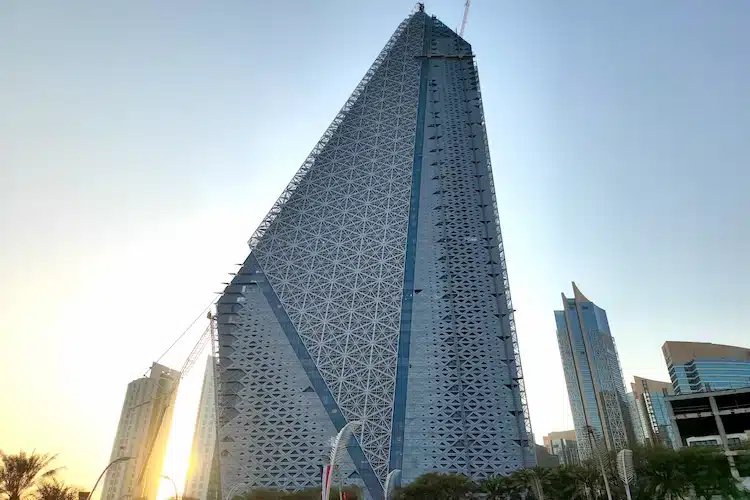
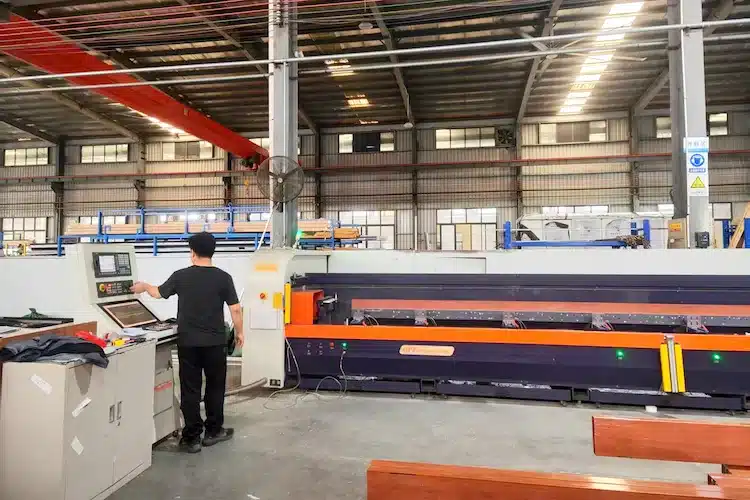
For the Burj Al Mana Tower in Doha, our engineering team applied this insight to a complex perforated aluminum façade. Instead of relying on traditional welding, we redesigned the connections, used CNC machining, and implemented precise finishing techniques, producing components that were fabricated reliably and installed accurately on site.
Early-stage detailing resolved potential conflicts before fabrication, ensuring consistency and precision throughout production.
Performance emerges from the relationship between elements such as frames, glazing, fixings, and structural interfaces.
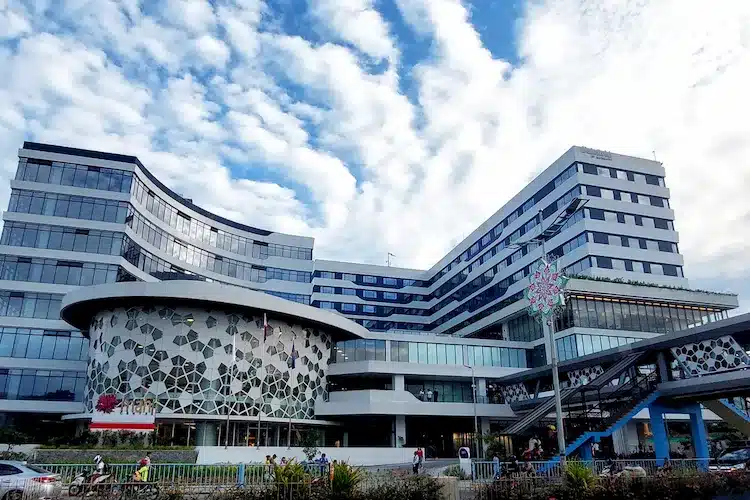
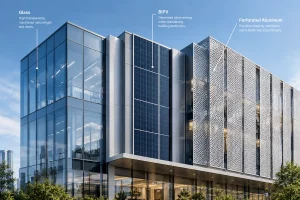
In the Philippines Mahi Center project, multiple curtain wall systems were engineered to work together in a coordinated manner. These included exposed frame curtain walls, point-supported glass assemblies with ultra-thick laminated glass, and decorative perforated aluminum panels. During construction, pre-reserved interface nodes and on-site data verification maintained precise alignment with adjacent buildings.
This approach minimized conflicts, streamlined installation, and supported reliable performance throughout the building’s lifecycle.
Consistency begins long before manufacturing. It is established through precise detailing, thoughtful material selection, and methodical production planning. Controlled processes and monitored tolerances keep fabrication aligned with design intent, resulting in components that fit accurately and perform reliably during installation.
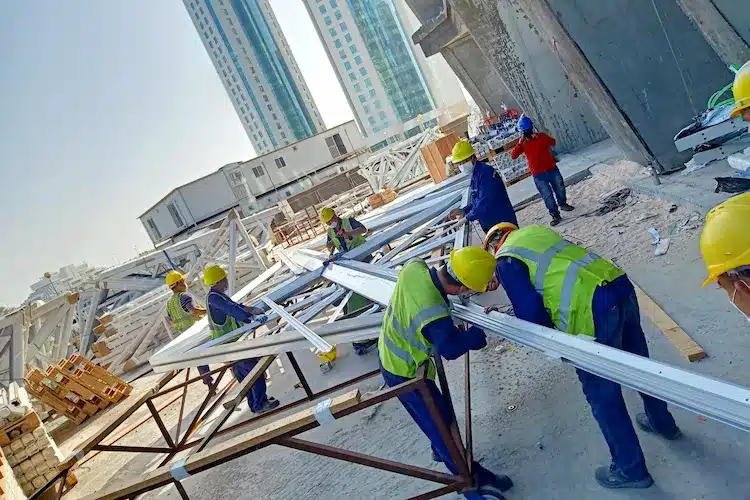
Connections with structure, waterproofing, and building services must be engineered to fit precisely. By collaborating early across these interfaces, we address potential conflicts before installation.
Clear communication and coordinated planning streamline on-site work and minimize adjustments during assembly.
Choosing the right curtain wall partner means engaging a team that leads with engineering expertise and coordinates fabrication and installation with precision.
By integrating system thinking with disciplined execution, complex architectural designs are translated into accurately built façades that perform reliably over time. From initial system development to final site installation, we guide each stage to deliver consistent quality, precise alignment, and long-term durability.
Early technical alignment often shapes the final outcome of a façade system. Our team supports this process from system development through to installation.
For projects where façade performance depends on engineering precision and coordinated execution, early collaboration can make a measurable difference. Our team works alongside architects, consultants, and contractors to support system development, fabrication planning, and site coordination from the outset.

Façade Thermal Performance: Beyond Material Properties Introduction When you receive a façade specification with numbers such as thermal conductivity, thermal resistance, and U-value, how do

Why Facade Project Value Cannot Be Measured by Unit Price Alone? Introduction When evaluating a facade solution, unit price is often one of the first

Façade–Structure Interface: Why Do So Many Problems Start Here? Introduction The façade–structure interface is where façade design meets the actual conditions of the building structure.

Beyond Construction Volume: The Future of Façade Industry Growth Introduction For decades, growth in the façade industry has been closely tied to construction volume. More