Sunframe-Logo

Engineering the Void: How SunFrame Redefines Perforated Facade Excellence

Perforated Facade Engineering

1. Introduction: From “Void-and-Solid Aesthetics” to “Engineered Facades”

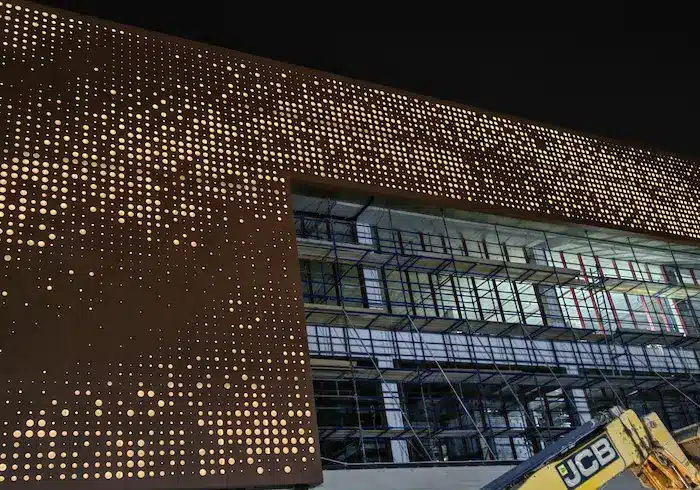
Contemporary facades have evolved into integrated interfaces. For SunFrame, “perforation” is not just a decorative pattern; it is a system that must be fully engineered. The core challenge lies in achieving a balance between structural safety, constructability, and visual purity.

2. Perforation as a Facade Expression Strategy

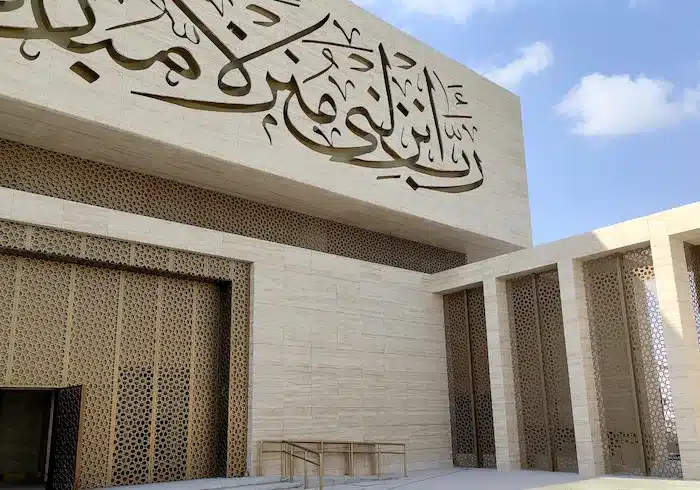
SunFrame views “perforation” as a strategy rather than a single material. These facades demand higher node integrity as they are often visible from both interior and exterior, combining decoration, shading, and ventilation.

3. Engineering Implementation: Diverse Metal Systems

Metal systems offer the most mature path for perforated effects. SunFrame excels in the following five specialized sectors:

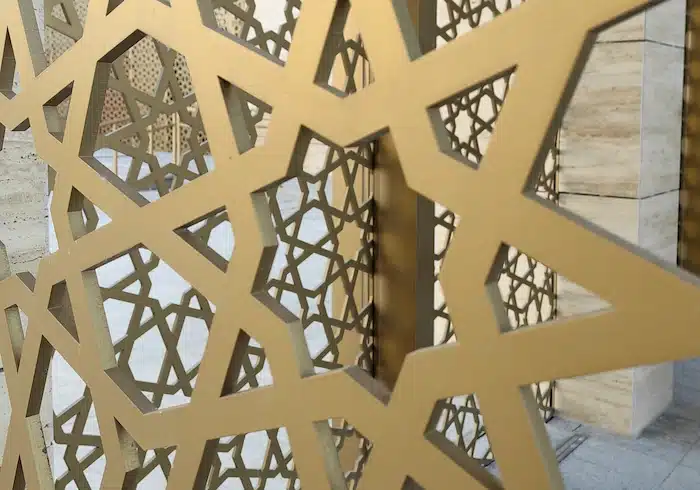
3.1 Perforated Metal Panels

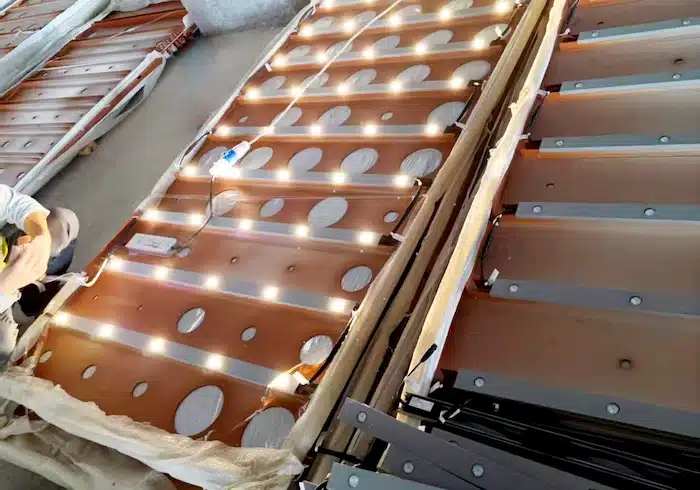
Standard patterns are produced via punching, while complex or thick plates require Laser Cutting or CNC carving.

SunFrame Expertise: We prioritize “Process-First, Coat-Later” to ensure every hole edge is encapsulated. We also focus on concealed reinforcement to prevent “shadow effects” where internal structures become visible through the holes.

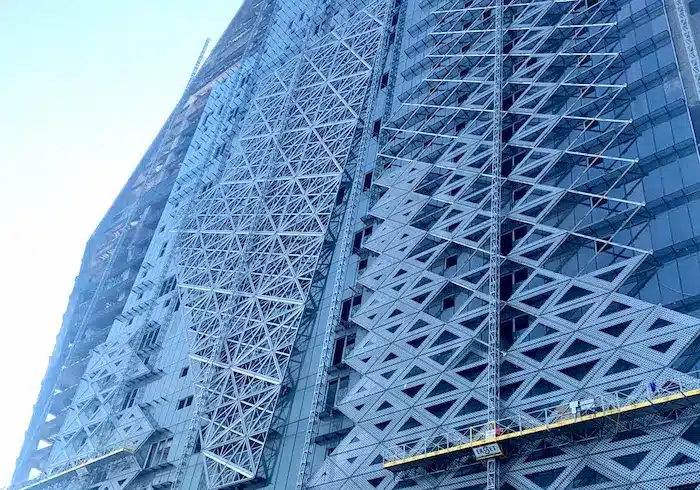
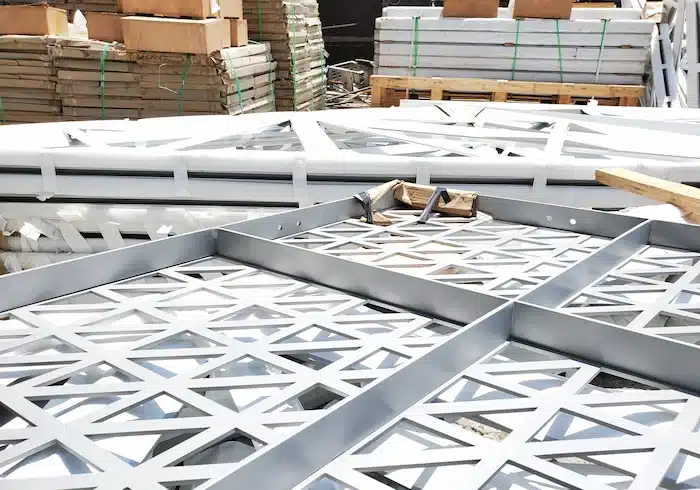
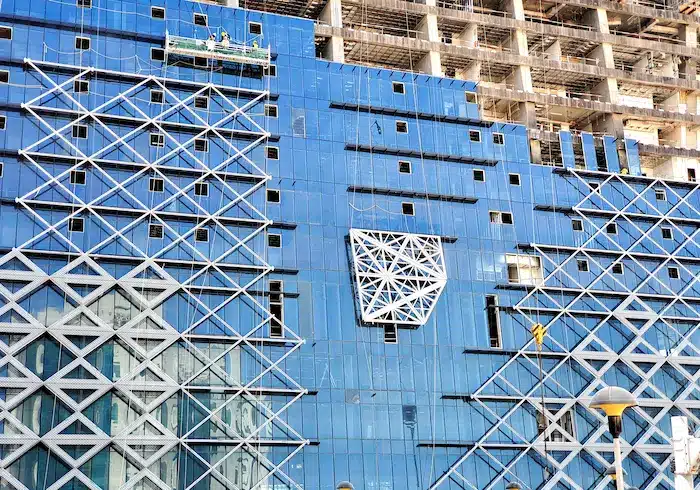
3.2 Assembled Profiles & Steel Members

Ideal for linear features or repetitive cross-sections. This system offers clear load paths and better stability for high-rise applications, though it demands extreme precision in component fabrication and on-site node assembly.

3.3 Expanded Metal & Flexible Systems

Expanded mesh or woven curtains provide a lighter visual. Our engineering focus here is the synergy with the main structure, specifically addressing wind-induced vibration and long-term durability of boundary fixations.

3.4 Kinetic “Wind Chime” Systems

A combination of metal plates and cable systems that move with the wind. SunFrame conducts rigorous assessments on component interference, noise control, and fatigue performance to ensure the longevity of these dynamic surfaces.

3.5 Modular Composite Systems

Standardized 3D units create complex textures while remaining highly controllable for factory prefabrication and rapid on-site installation.

4. Material Selection & Decision Matrix

Beyond metal, SunFrame evaluates alternative paths based on project-specific requirements:

Feature

Metal Systems

Stone/Ceramic

UHPC

Aesthetics

Modern & Precise

Timeless & Heavy

Sculptural & Fluid

Engineering Focus

Vibration & Coating

Weight & Connections

Node Integration

SunFrame’s View

Primary Choice

For Low-rise/Culture

For Art Landmarks

5. Summary: The Engineering Essence

Regardless of the material, SunFrame’s engineering focus remains on:

☛ Verifiable and clear load-bearing paths.

☛ Feasibility and long-term maintenance.

☛ Stability of the visual effect throughout the building lifecycle.

Related Technical Insight: [Perforated Facade Engineering Risks: Beyond the Pattern] 

From design to reality: A systematic review of structural safety, waterproofing, and site assembly challenges.

Turn your perforated facade idea into reality.

SunFrame ensures structural integrity, visual precision, and buildability from design to installation.
Share your project today.

Leave a Reply

Your email address will not be published. Required fields are marked *

This site uses Akismet to reduce spam. Learn how your comment data is processed.

Other Posts

Contact Us