Façade Opening Window Risk: The Uncalculated Condition Problem
Façade Opening Window Risk: The Uncalculated Condition Problem Façade opening windows are rarely the primary focus of structural design, yet they are often one of
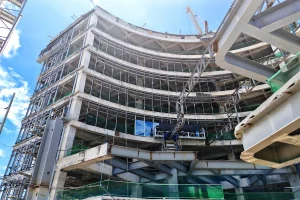
In real-world curtain wall projects, the facade functions as a secondary envelope. Although it is separated from the primary structure, it remains closely tied to its movement and performance.
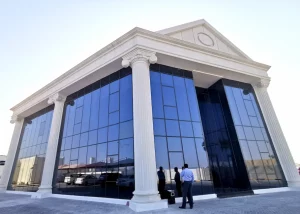
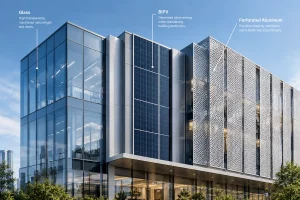
Aluminum panel curtain walls are widely used in this context because they offer a favorable balance between structural stability, fire resistance, surface durability, and freedom in facade articulation.
This article outlines the core construction logic and critical technical points that directly affect façade quality, installation accuracy, and long-term performance.
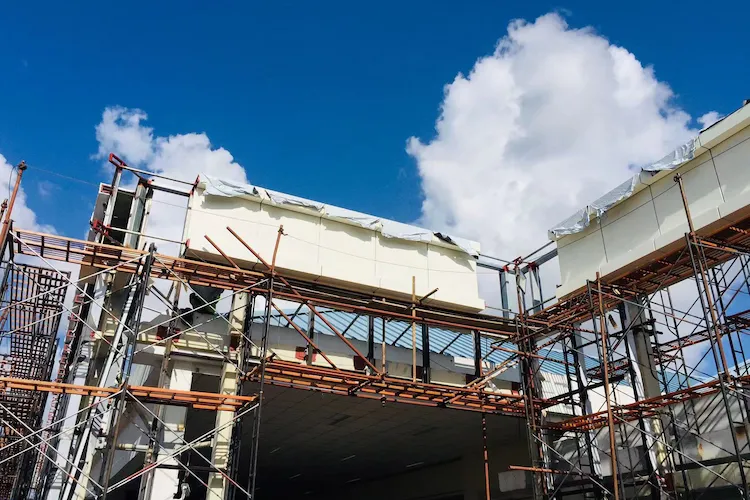
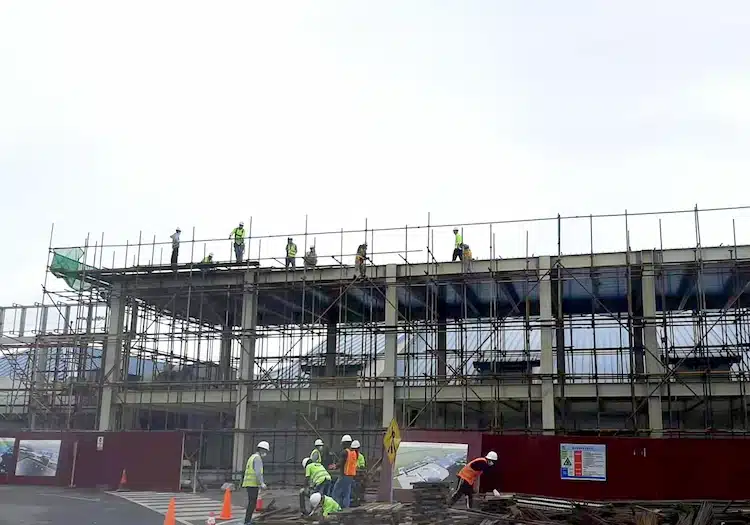
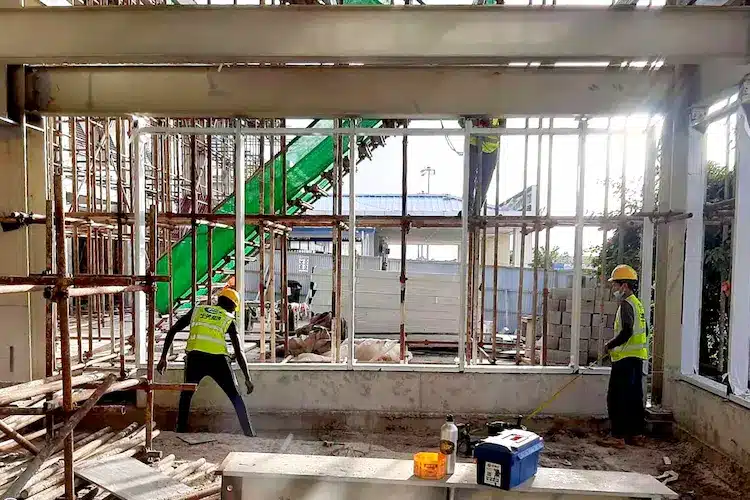
Successful aluminum panel curtain wall installation relies on a controlled construction sequence, typically including:
Errors at early stages, especially setting-out and anchorage alignment, often propagate throughout the entire façade system.
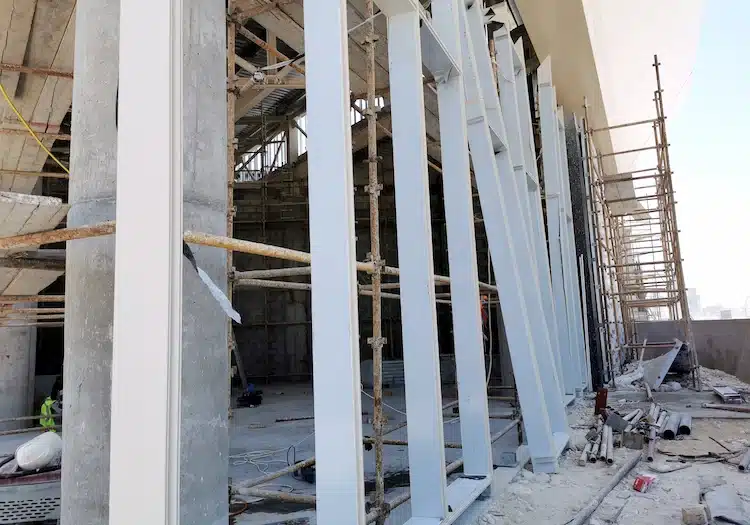
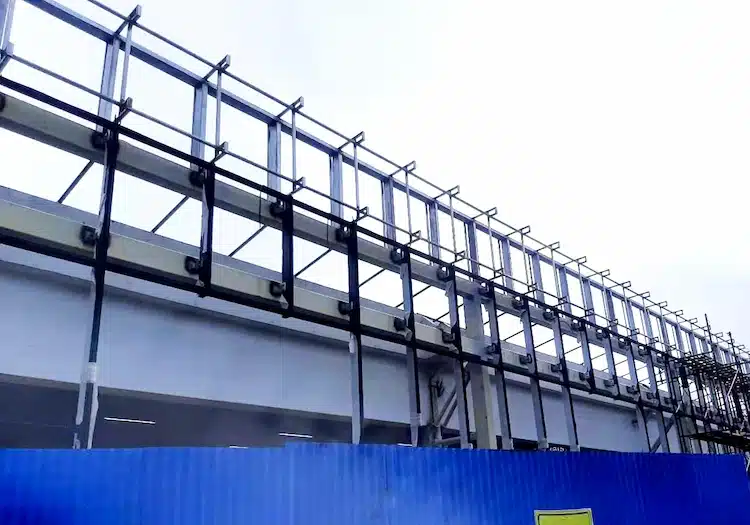
Structural connections and anchorage components form the primary load transfer path between the curtain wall system and the main structure.
Key technical controls include:
Without proper leveling, alignment, and expansion allowances, the metal substructure is prone to long-term stress accumulation.
Welding quality directly affects system stability:
Damage to galvanized layers or protective coatings, if left untreated, can lead to accelerated corrosion, especially in humid or coastal conditions.
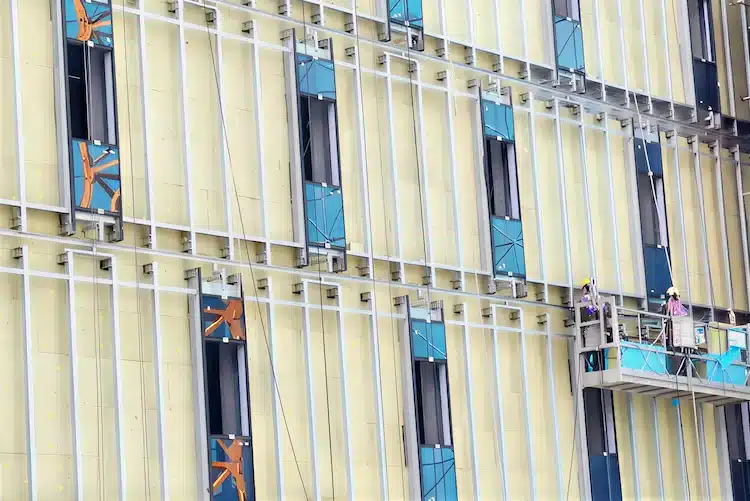
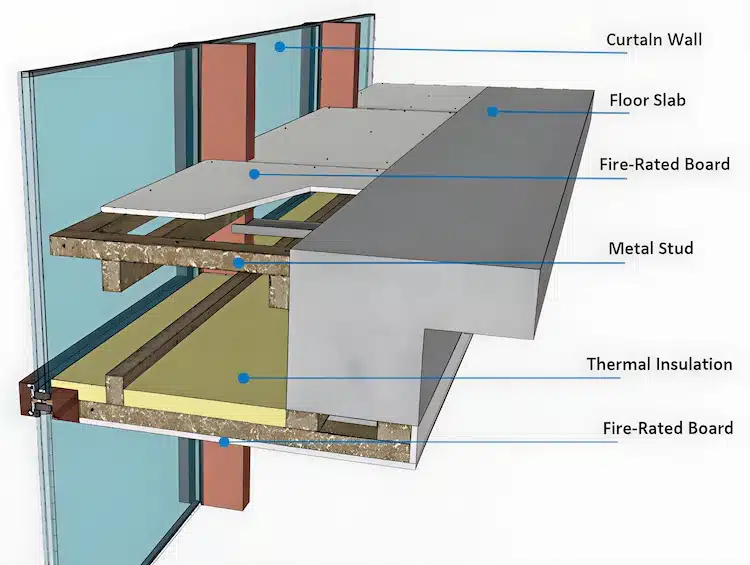
Thermal insulation and inter-floor fire barriers must form a continuous, gap-free system:
These layers play a critical role in both energy performance and fire safety compliance.
Aluminum panels are installed only after substructure acceptance:
Proper edge detailing ensures both façade performance and visual consistency.
In practice, most façade failures do not originate from material selection, but from execution gaps between design intent and on-site control.
High-quality aluminum panel curtain wall construction is not defined by materials alone.
It is achieved through accurate coordination, disciplined execution, and technical control at every interface—from embedded anchors to final sealing.
A façade performs reliably only when design intent, construction logic, and on-site execution are fully aligned.
SunFrame’s team can assist you in selecting, fabricating, and installing high-performance facade systems and innovative material solutions for your facade projects.

Façade Opening Window Risk: The Uncalculated Condition Problem Façade opening windows are rarely the primary focus of structural design, yet they are often one of

Vietnam Traditional Architecture vs Curtain Wall Performance Vietnam has developed a distinctive traditional architectural system shaped by its hot, humid, and high-rainfall climate. Lightweight structures

Visibility and Perception in Architectural Facade Design In the commemorative context of ANZAC Day, the relationship between architecture and the city is closely linked to

Beam Twist Control in Stick-Built Glass Curtain Wall Projects Beam twist is a common structural challenge in stick-built glass curtain wall construction. It arises from