Sunframe-Logo

Cultural Architectural Systems in the GCC: Glass and Aluminum Material Logic

1. Cultural architecture in the GCC operates through layered material logic

In the GCC region, cultural architecture is shaped through layered material logic responding to environmental conditions, spatial behavior, and cultural patterns of use.

These logics translate climate adaptation, spatial organization, and cultural requirements into architectural performance.

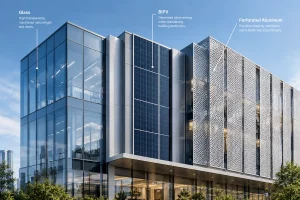
Cultural architecture in the GCC brings together multiple coordinated material layers.

These layers are understood as three interconnected systems:

  • environmental control layer
  • spatial continuity layer
  • cultural articulation layer

Together, they establish a continuous architectural framework linking climate, space, and cultural identity.

Cultural Architectural Systems in the GCC

2. Environmental control layer (Aluminum systems)

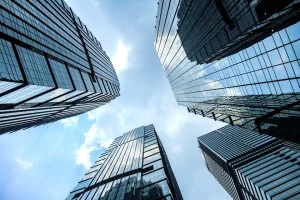
The environmental control layer is primarily expressed through aluminum-based façade systems, which mediate external climate conditions.

In GCC architecture, this layer addresses solar intensity, heat gain, and visual exposure.

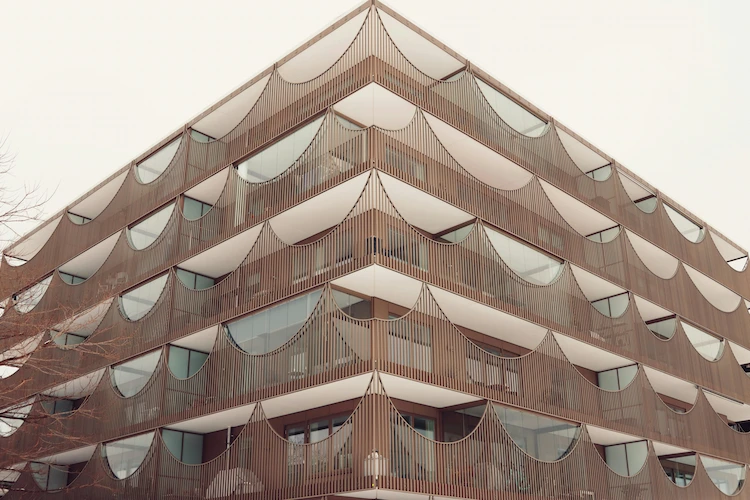
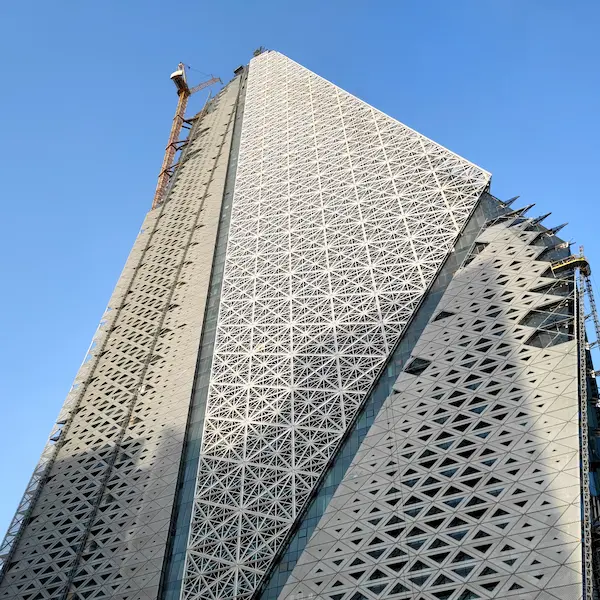
♦ At the QET-JMA project in Doha, aluminum façade systems use perforated panels and mashrabiya-inspired geometries to regulate solar exposure, control visual permeability, and reduce heat gain under desert conditions. 

♦ At the Burj Al Mana Tower in Qatar, this logic is further developed through controlled geometric density and pattern modulation.

Here, cultural expression emerges through environmental performance rather than applied ornamentation.

Aluminum systems function as environmental mediation layers where cultural identity is embedded in material behavior.

3. Spatial continuity layer (Glass systems)

The spatial continuity layer focuses on interior architectural experience and perception.

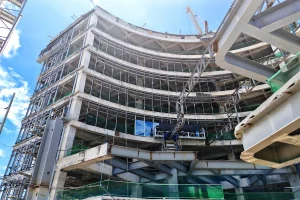
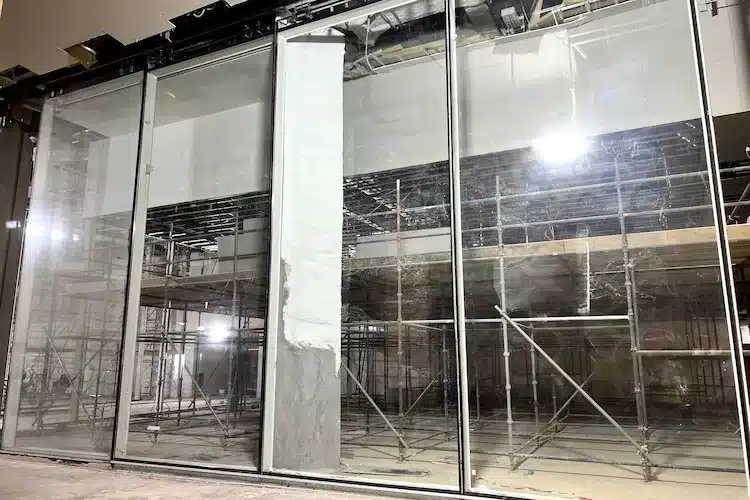
At the Royal World Culture Museum in Riyadh, interior glass curtain wall systems frame movement and visual continuity within large cultural spaces.

The system consists of:

  • jumbo-scale laminated glass panels
  • top-supported structural installation
  • inclined interior partitions
  • hybrid steel and aluminum supporting elements

This configuration enables continuous visual connections across interior zones while maintaining structural clarity.

Glass systems construct spatial continuity and define how cultural environments are experienced internally.

Within cultural buildings, including periods of increased public activity such as Eid-related gatherings, this spatial clarity supports circulation efficiency and visitor orientation.

4. Cultural articulation layer (GRC, stone, and patterned materials)

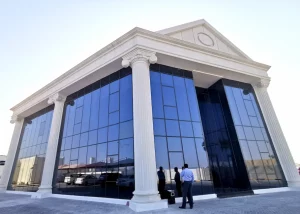
Beyond environmental and spatial systems, cultural architecture in the GCC also includes a cultural articulation layer based on materials such as GRC, stone, and patterned façade systems.

These materials are widely used as secondary architectural skins, primarily for cultural expression and façade articulation.

This layer relies on material presence and surface logic.

It is commonly used to:

  • encode cultural motifs into architectural surfaces
  • express regional identity through material texture
  • construct visual narratives within building envelopes

In this layer, cultural identity is conveyed through surface composition.

5. Integrated material framework across layers

These three material layers form an integrated architectural framework:

  • environmental layer regulates external climate interaction
  • spatial layer frames internal perception and continuity
  • cultural layer articulates identity through material expression

Across these layers, architecture becomes a coordinated material framework.

This framework explains how cultural architecture in the GCC simultaneously addresses environmental performance, spatial experience, and cultural identity through different but interconnected material logics.

6. Conclusion

Cultural architectural systems in the GCC are driven by layered material logic.

  • Aluminum systems mediate environmental conditions.
  • Glass systems construct spatial continuity.
  • GRC and related materials articulate cultural identity.

Across these layers, architecture reflects climate conditions, spatial behavior, and cultural usage patterns.

The result is a continuous architectural framework in which cultural identity emerges through the performance of materials across both exterior and interior environments.

Work With SunFrame on Your Next Facade Project

If you are planning a residential, commercial, or infrastructure facade project and require curtain wall engineering, system development, or installation support, SunFrame can assist from early design coordination to project execution — helping ensure reliable, well-engineered facade performance throughout the building lifecycle.

Leave a Reply

Your email address will not be published. Required fields are marked *

This site uses Akismet to reduce spam. Learn how your comment data is processed.

Other Posts

Contact Us