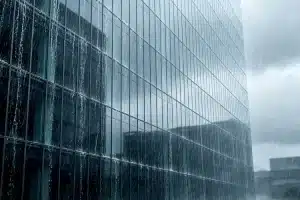
Daylight Strategies in Façade Design: The Alchemy of Light
Daylight Strategies in Façade Design: The Alchemy of Light Introduction: Letting Light Do the Designing In contemporary architecture, the façade is often misunderstood as a
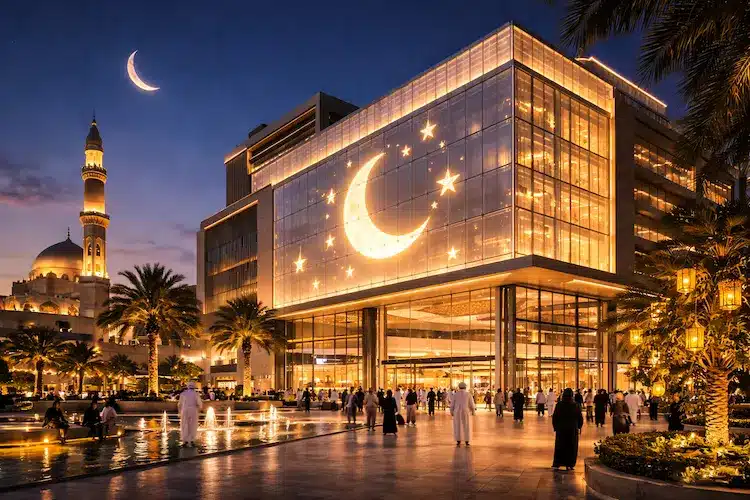
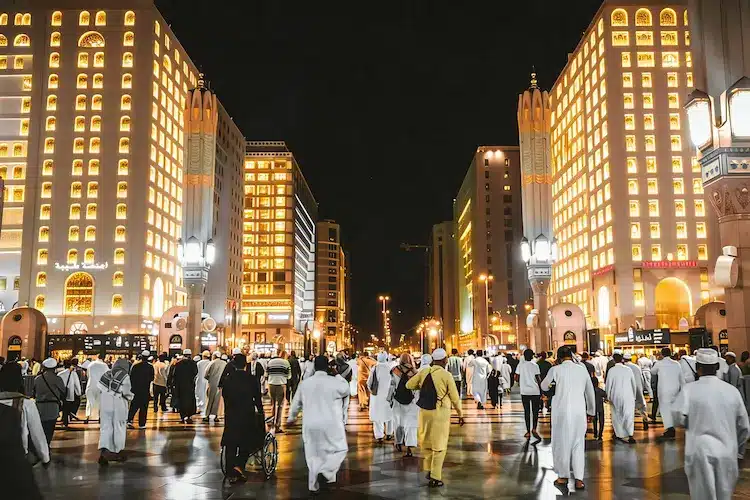
During Ramadan, urban rhythms across the Middle East shift noticeably. Daytime activity slows, while commercial and religious spaces become far more active at night. Shopping malls, mixed-use complexes, and mosques take on a distinctive festive atmosphere, placing greater demands on lighting quality, spatial experience, and energy use.
In this context, BIPV façades are not only a renewable energy technology but also a design strategy that integrates building envelopes with energy systems.
During Ramadan, commercial spaces and public buildings often extend their opening hours. Lighting therefore supports basic functionality while shaping festive ambience and spatial identity.
The layering of light across building façades directly influences visitor perception. Soft illumination, clear façade rhythms, and controlled brightness variations can significantly enhance comfort and visual attraction.
As nighttime activity intensifies, energy consumption from lighting and landscape systems rises accordingly. This has led many projects to explore ways of integrating renewable energy systems directly into building façades.
BIPV integrates photovoltaic modules directly into façade assemblies. Electricity generated during the day is typically fed into the building’s energy system or storage infrastructure, providing supplementary power and reducing long-term operational energy demand.
Unlike conventional rooftop solar panels, BIPV components become part of the architectural envelope itself. Photovoltaic glass, semi-transparent PV modules, and modular panel systems allow buildings to combine energy production with architectural expression.
In high-solar-radiation regions such as the Middle East, BIPV components can also work in conjunction with shading strategies or layered façade systems, for example:
These strategies reduce solar heat gain and, at the same time, enhance overall building energy performance.
For commercial developments or corporate headquarters, BIPV façades also communicate technological innovation and environmental responsibility, reinforcing the architectural identity of the project.
In shopping malls or retail districts, energy generated by BIPV façades can support building systems such as public lighting or landscape illumination, helping reduce energy pressure during periods of extended nighttime activity.
Façades in mosques and cultural buildings often play a key role in shaping spiritual atmosphere. When combined with thoughtful lighting design, façade systems can create a calm and dignified nighttime environment while enhancing building sustainability through integrated energy generation.
In developments combining offices, residences, and retail spaces, BIPV façades provide long-term energy support while contributing to layered nighttime urban façades.
BIPV is gradually evolving from a purely energy-focused technology into a broader façade strategy. Key directions include:
In regions with intense solar exposure, these approaches offer buildings a more resilient strategy for both daily operations and periods of extended nighttime activity such as Ramadan.
In cities where nighttime activity intensifies during Ramadan, building façades are essential for shaping the urban skyline, and they have a direct impact on spatial experience and energy performance.
By integrating photovoltaic systems directly into the envelope, BIPV provides a façade strategy that combines energy efficiency with architectural expression for commercial, cultural, and public buildings.
BIPV façades require precise engineering, material selection, and installation expertise. Partner with our team to optimize performance, energy integration, and visual accuracy.

Daylight Strategies in Façade Design: The Alchemy of Light Introduction: Letting Light Do the Designing In contemporary architecture, the façade is often misunderstood as a

Perforated Facade Engineering Risks: Beyond the Pattern Compared with conventional curtain wall systems, perforated facades remain relatively immature from an engineering perspective. Their highly customized

Engineering the Void: How SunFrame Redefines Perforated Facade Excellence 1. Introduction: From “Void-and-Solid Aesthetics” to “Engineered Facades” Contemporary facades have evolved into integrated interfaces. For

Unitized Curtain Walls under Typhoon Lateral Loads — Engineering Insights from SunFrame Typhoons are among the most destructive natural disasters globally, particularly affecting coastal regions