Sunframe-Logo

Sand-Resilient Façade Engineering in Lusail

—Technologies Behind Qatar’s New Skyline

Sand-Resilient Façade Engineering

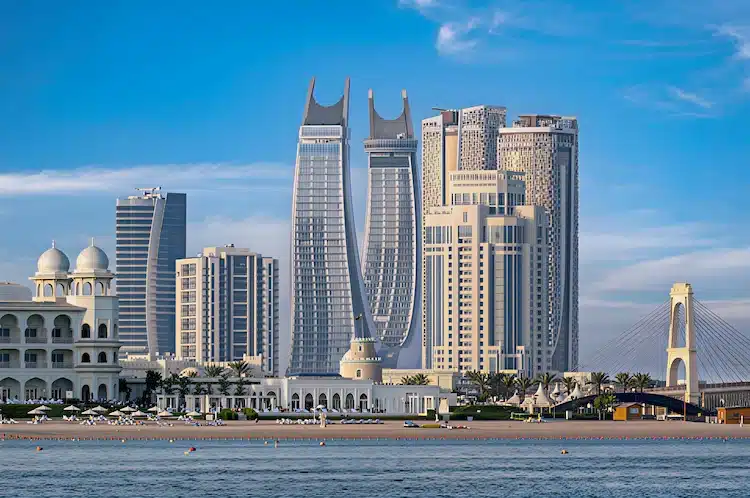
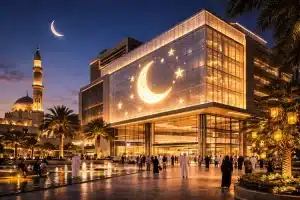
As Qatar National Day draws near, Lusail begins to glow a little earlier each evening. Lights ripple across its waterfront, the Gulf breeze slips through the spaces between its towers, and the city’s sharp, modern façades mirror the confidence of a young metropolis finding its voice.

But this visual rhythm hides a severe engineering truth. Lusail’s buildings must withstand a climate that shows no mercy: relentless heat, high UV exposure, salty humidity from the sea, and winds that carry abrasive, fine sand.

It is in this environment that Sand-Resilient Façade Engineering becomes more than a technical concept; it becomes the quiet, essential strength that keeps the city shining exactly as it should.

1. Lusail’s Coastal Climate: A High-Pressure Testing Ground for Façades

Situated along the Arabian Gulf, Lusail faces one of the most complex climatic combinations in the region:

  • Summer temperatures sustaining above 45°C
  • Intense UV radiation accelerating material aging
  • Sea breeze carrying salt-laden moisture, causing metal corrosion
  • Shamal winds creating wind channels between towers
  • Ultra-fine sand infiltrating operable systems, joints, and hardware

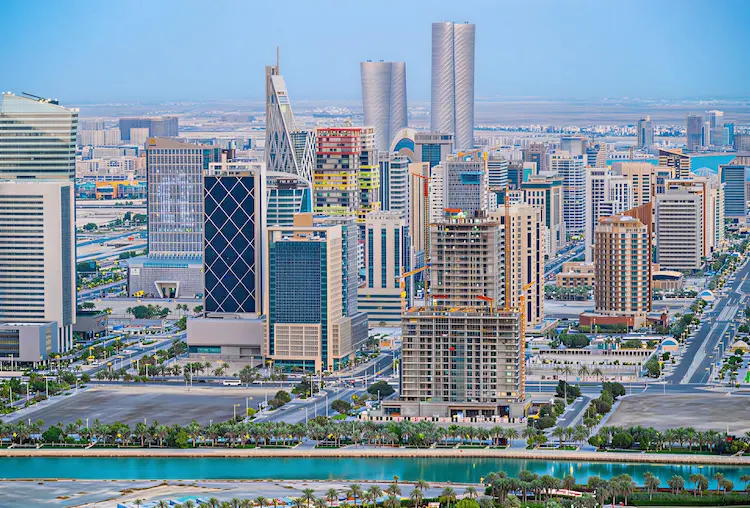
With dense high-rise clusters positioned beside an open coastline, Lusail effectively becomes an extreme performance testing field for façade systems.

Thus, the building envelope is not merely an architectural expression—it directly impacts comfort, safety, and maintenance cycles.

Sand-Resilient Façade Engineering in Lusail

2. Why “Sand Resilience” Is a Core Requirement in Lusail

In such an environment, conventional façade systems are prone to accelerated failures:

  • Sand infiltration obstructing operable windows
  • Seals degrading under UV and heat
  • Metal components corroding prematurely
  • Panels deforming under negative wind pressure
  • Condensation forming inside façade cavities due to heat–moisture cycles

For this reason, any façade intended for Lusail must feature:

High air-tightness — limits sand intrusion

UV- and heat-stable material systems — slows degradation

 Marine-grade anti-corrosion coatings — resists salt exposure

High wind-load structural design — withstands coastal wind pressures

Optimized drainage & cavity management — controls moisture and temperature differentials

These factors form the backbone of Sand-Resilient Façade Engineering and are now becoming standard expectations in Lusail projects.

3. Engineering Logic Behind Sand-Resilient Systems

— A Full-Chain Approach from Materials to System Design

Based on SunFrame’s experience across multiple projects in Doha, we summarize a façade methodology tailored to Gulf coastal cities:

3.1 Anti-Sand Infiltration System Design

☛ Multi-layer sealing structure

☛ Optimized pressure plates & gasket geometry

☛ EPDM high-temperature-resistant gaskets

☛ Abrasion-resistant mechanisms for operable units

Project Reference:

In our Doha Centro Mall façade project, the multi-layer sealing system significantly reduced fine sand intrusion during Shamal seasons.

SunFrame's Perforated Aluminum Façade for Doha Centro Mall

3.2 UV- and Heat-Resistant Material Systems

☛ Gulf-grade powder coating

☛ Hardware built with heat- and aging-resistant materials

☛ Silicone sealants with ±50% movement capability

Project Reference:

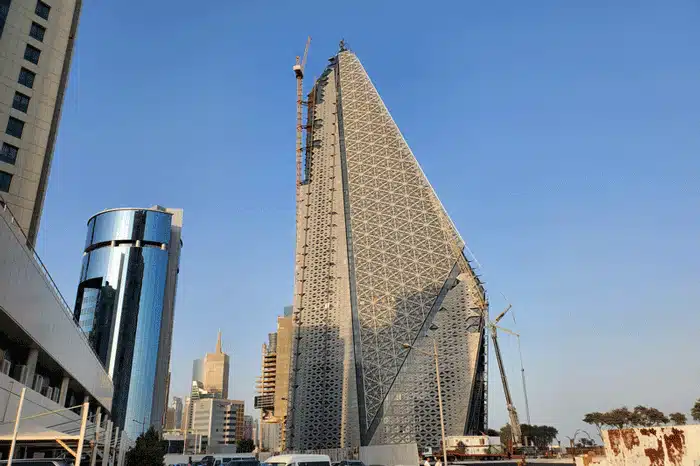
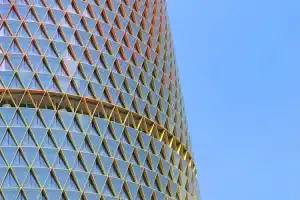
At Burj Al Mana Tower, SunFrame’s UV-stable material system maintained color and structural integrity even under prolonged direct sunlight.

Burj Al Mana Tower Curtain Wall by SunFrame, Qatar

3.3 Marine-Grade Corrosion Resistance

☛ Fluorocarbon coating / anodized aluminum

☛ Stainless steel anchors and bolts rated for salt spray conditions

☛ Drainage logic designed for humid coastal environments

Project Reference:

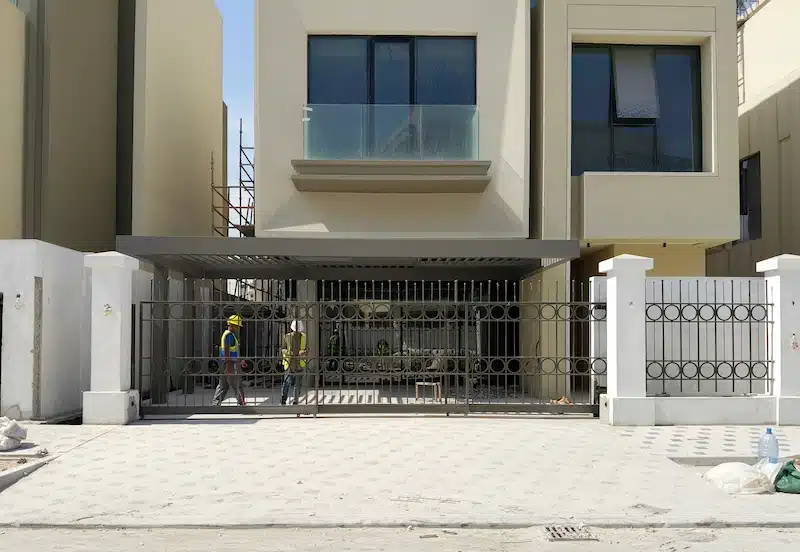
At Giardino 49 Villas on The Pearl, a location directly exposed to the sea atmosphere, enhanced aluminum surface treatments effectively extended the corrosion cycle.

Giardino 49 Villas at The Pearl Qatar – SunFrame Façade Works

3.4 High Wind-Load Performance & Installation Reliability

☛ Enlarged mullion sections

☛ Reinforced anchoring and bracket systems

☛ Panel optimization to withstand channeling winds between towers

In several Doha business district façades, SunFrame applied on-site wind pressure simulation and structural fine-tuning to maintain panel flatness under strong coastal winds.

4. The Direction of Lusail’s Next-Generation Façade Development

As Lusail advances its vision for smart districts and coastal residential zones, façade requirements continue to rise:

♦ Extended maintenance-free lifecycle

♦ Higher thermal efficiency

♦ Enhanced corrosion resistance

♦ Increased use of sustainable composite materials

Sand-resilient façade engineering will remain a non-negotiable foundation for Lusail’s future development.

Conclusion: Resilient Façades Sustain the Ambition of Lusail’s Skyline

Lusail’s skyline represents not only Qatar’s development pace but also its commitment to engineering quality in extreme environments.

Every piece of glass, every aluminum panel, and every structural node operates under high environmental stress.

Sand-Resilient Façade Engineering ensures that the city’s bold architectural expression continues to perform—preserving its geometric clarity, light, shadow, and structural beauty for decades to come.

Leave a Reply

Your email address will not be published. Required fields are marked *

This site uses Akismet to reduce spam. Learn how your comment data is processed.

Other Posts

Contact Us