Sunframe-Logo

How Modern Facades Shape Space Through Light and Acoustics

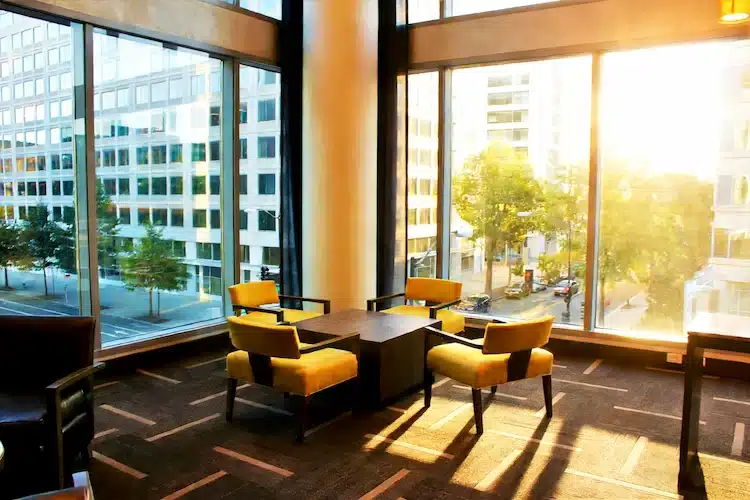
In a hotel lobby in the early morning, sunlight passes through the glass façade and settles softly on the marble floor, while the noise of the street remains outside.

In a concert hall, each note is clearly received within the space, as laminated glass and façade systems reduce external sound.

Modern facades transform architecture from a mere object into a lived experience.

Good Friday invites attention to stillness and perception in space. Light shifts gradually. Sound is contained and softened. Materials convey comfort in subtle ways. These elements not only define architecture, but also open new directions for facade systems.

Modern Facades

The Presence of Light

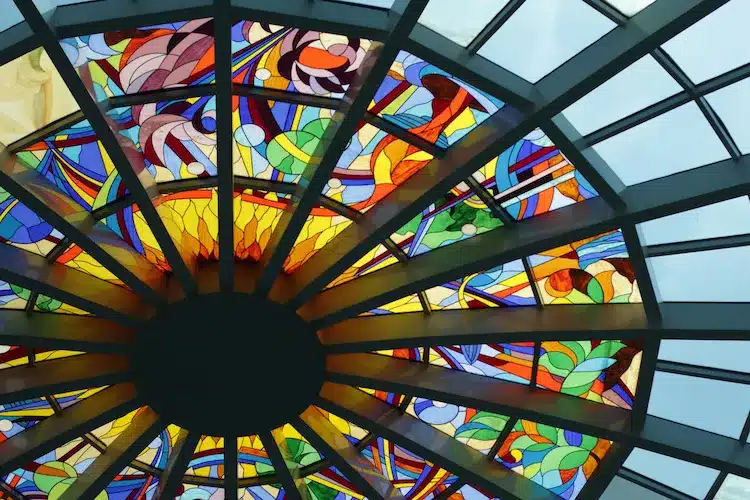
In historical architecture, especially in churches with stained glass, light passes through colored surfaces and forms shifting patterns on stone floors. The space becomes animated through light.

Modern facades can work with light in a similar way:

♦ Translucent interlayers and colored glass

Adjust light transmission in offices or cultural buildings, creating different daylight conditions throughout the day.

♦ Reflection and refraction

Glass reflects the surroundings while guiding sunlight into the interior, contributing to both visual quality and indoor comfort.

At SunFrame, we focus on structural reliability while considering how glass, metal, and facade structural systems allow light to shape spatial depth and atmosphere.

Presence of Light

Acoustic Sensitivity

In contemporary buildings, acoustic performance is equally essential. Different spaces require different responses to sound.

At certain moments, architecture is about both transmitting sound and holding silence. Quietness can be understood as a designed condition.

♢ Concert halls and theatres

Allow sound to distribute evenly and remain clear.

♢ Hotels and residential buildings

Reduce urban noise and maintain privacy.

♢ Offices and libraries

Limit disturbance and support concentration.

♢ Airports and transport hubs

Separate noisy zones from working and resting areas.

♢ Hospitals and healthcare facilities

Provide calm environments that support recovery.

Through double or triple glazing, laminated acoustic interlayers, cavity design, and precise sealing, facade systems balance openness with acoustic comfort.

From public buildings to private spaces, facades contribute quietly to comfort and stability. At SunFrame, we understand these varied requirements and provide facade solutions based on structural performance and engineering precision.

Glazed Facade

Cultural Context and Adaptability

Facade systems are technical, yet they also engage with cultural expression. Inspiration can come from spatial rhythm, proportion, and the abstraction of traditional elements.

☞ Geometry and rhythm

Translating historical proportions into façade grids.

☞ Light interaction

Allowing light to move across surfaces and between spaces.

☞ Global perspective

Across different regions and architectural contexts, SunFrame applies modular façade structures and engineering methods to support the realization of architectural intent.

This approach reflects an ability to work with complexity while respecting the character of each project.

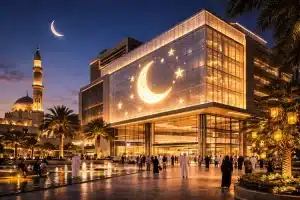
Light, acoustics, and cultural context come together in the facade. It is no longer just an outer layer, but part of how space is perceived.

Conclusion

Light, sound, and space continue to shape how buildings are experienced.

On Good Friday, it is worth pausing to notice how architecture holds light, frames sound, and creates moments of quiet presence.

Enhance Building Light and Acoustics with Modern Facades

Modern facades demand precise structural engineering and acoustic planning. Partner with SunFrame to optimize spatial experience, daylight, and sound control.

Leave a Reply

Your email address will not be published. Required fields are marked *

This site uses Akismet to reduce spam. Learn how your comment data is processed.

Other Posts

Contact Us