Sunframe-Logo

2026 Façade Systems: From Visual Expression to Long-Term Performance

2026 Façade Systems From Visual Expression to Long-Term Performance

Observations on Façade Technology, Operation, and Maintenance

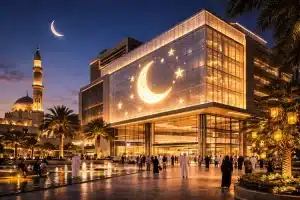
The turn of a new calendar year is often marked by illuminated skylines and landmark façades in cities around the world.

On New Year’s Eve, façade lighting is rarely switched off once the countdown ends. In many cases, it continues to operate well past midnight.

This extended operation is more than a seasonal gesture.

Longer lighting hours place additional demands on system reliability, thermal management, and long-term maintenance planning.

It is a reminder that a façade is not only a surface to be seen, but an engineering system that must perform reliably under real operating conditions over time.

Practical Façade Technology Trends in the New Year

Looking ahead to 2026, discussions around façade technology are shifting in focus.

The industry is not simply chasing a single “disruptive innovation.” Instead, attention is moving away from form and visual impact toward system reliability under long-term use.

♦ Higher Levels of System Integration

Façades are no longer independent assemblies. They now operate as part of a tightly coordinated system, integrated with primary structures, MEP services, lighting, shading, and intelligent controls.

Within such systems, even small interface issues can be magnified over years of operation.

♦ Increasingly Complex Nodes and Connection Logic

To achieve slimmer profiles and higher performance, façade detailing has become more refined.

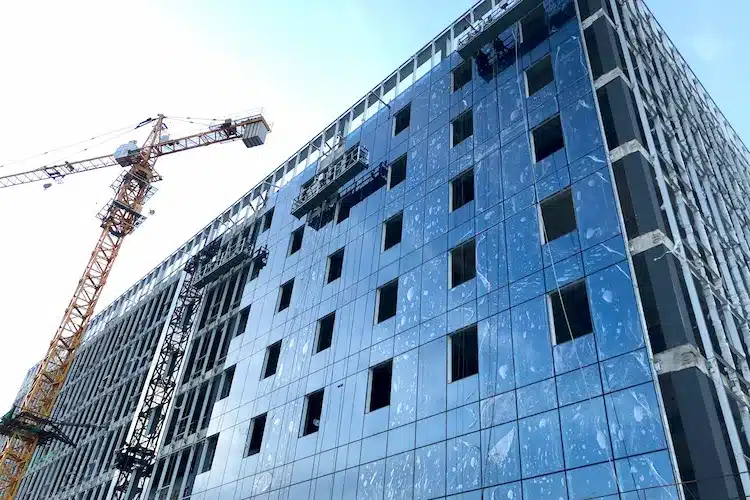
Nodes are now assessed not just for ease of installation, but for their long-term performance — including deformation control, sealant durability, and accessibility for inspection and maintenance over the building’s lifespan.

♦ Higher Demands on Construction Accuracy and Tolerance Control

Greater system complexity leaves less room for on-site adjustment.

With limited room for on-site adjustment, tolerances have to be clearly set and coordinated during the design phase.

Taken together, these trends point to a clear shift:
façades are evolving from delivery-focused products into systems that require long-term management.

Higher Demands on Construction Accuracy and Tolerance Control

Maintenance as an Early Design Consideration

Maintenance has rarely been a headline topic in façade discussions.

In practice, however, maintenance considerations are entering project decisions much earlier than before.

Design teams need to address questions such as:

  • whether inspection and component replacement are feasible;
  • whether façade, lighting, and related systems can operate sustainably over time.

When these issues are overlooked, they often reappear later as long-term operational costs.

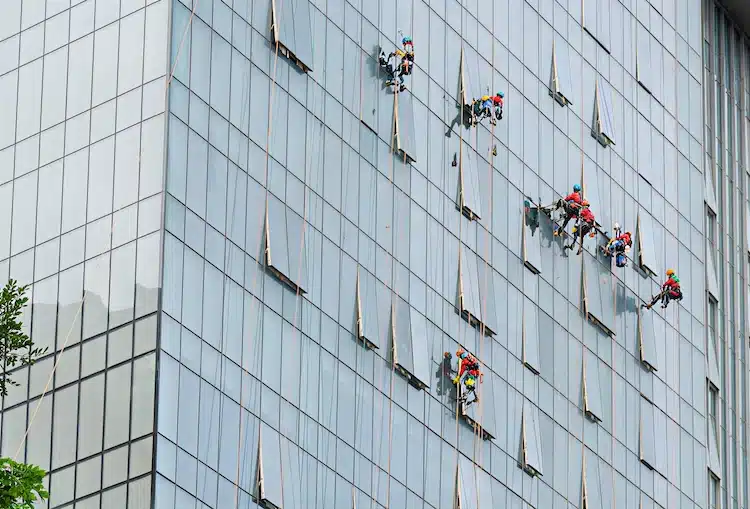
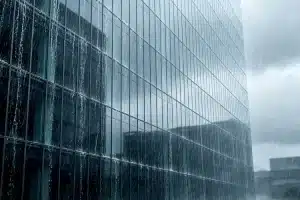
Annual inspections are a standard part of façade system operation.

Maintenance as an Early Design Consideration

SunFrame’s Engineering Perspective

In our project work, attention is placed on issues that may not be immediately visible, but have a lasting impact on building performance.

These include node stability under long-term thermal movement, thermal conditions when façades operate in coordination with lighting systems, and the practicality of future inspection and replacement.

Such considerations rarely appear in visual renderings.
They do, however, determine whether a façade system remains reliable and well-managed years after completion.

At the Beginning of a New Year

City façades that remain illuminated after midnight offer a simple illustration of a larger reality.

A façade is not a one-time delivery. It is a system that extends across design, construction, and long-term operation.

As 2026 begins, the industry’s focus moves from achieving complex forms to ensuring that façade systems function reliably, sustainably, and in a manageable way under real operating conditions.

Leave a Reply

Your email address will not be published. Required fields are marked *

This site uses Akismet to reduce spam. Learn how your comment data is processed.

Other Posts

Contact Us